
Dejar un mensaje
Si le interesan nuestros productos y desea obtener más información, deje un mensaje aquí y le responderemos lo antes posible.
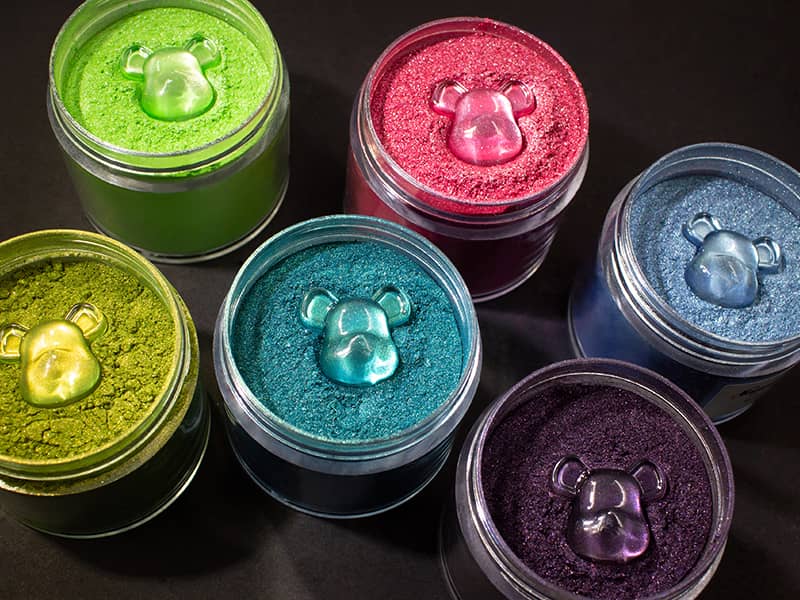
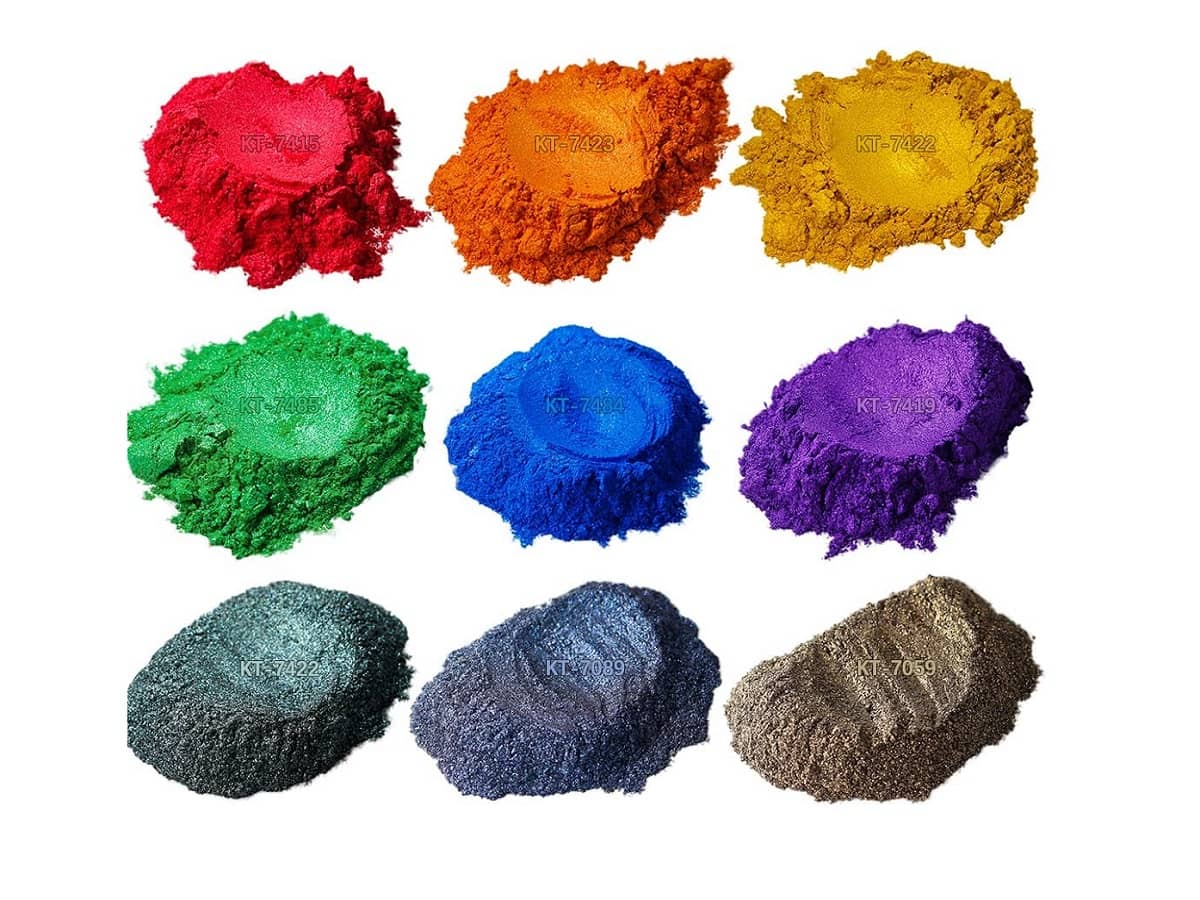
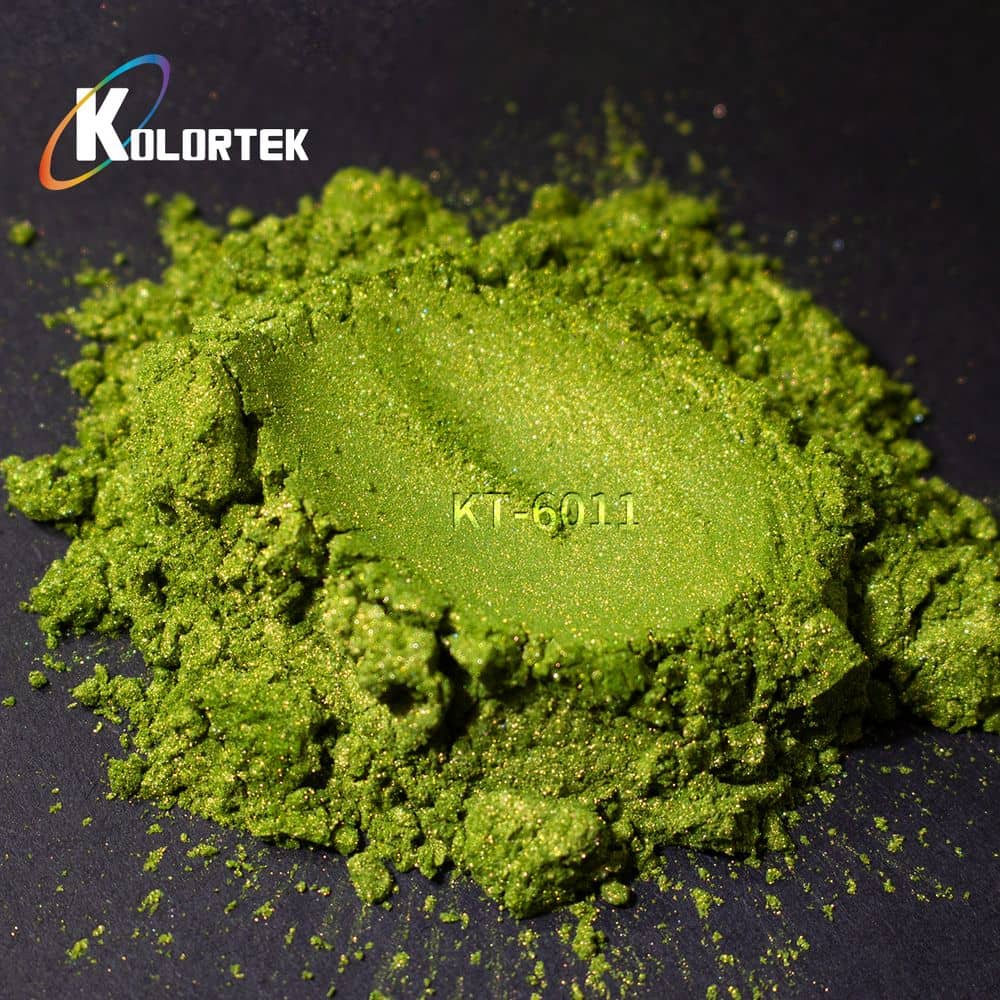
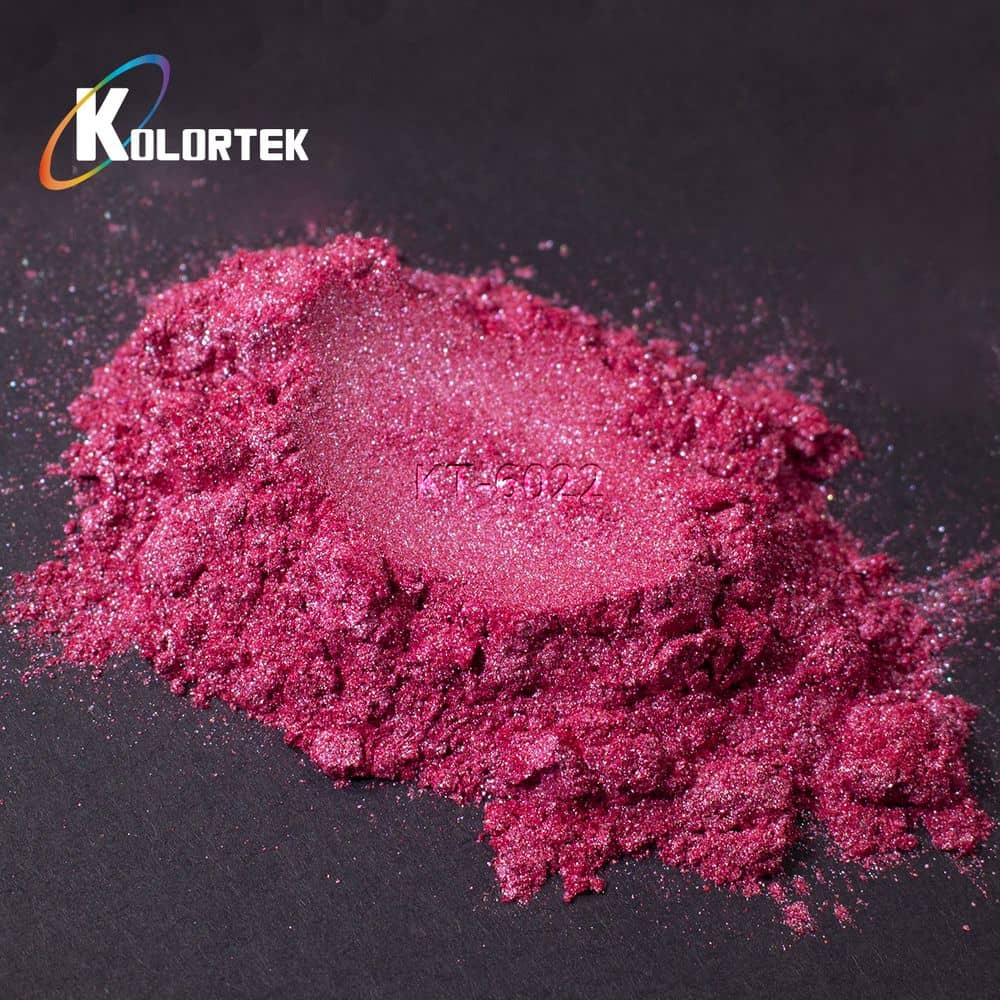
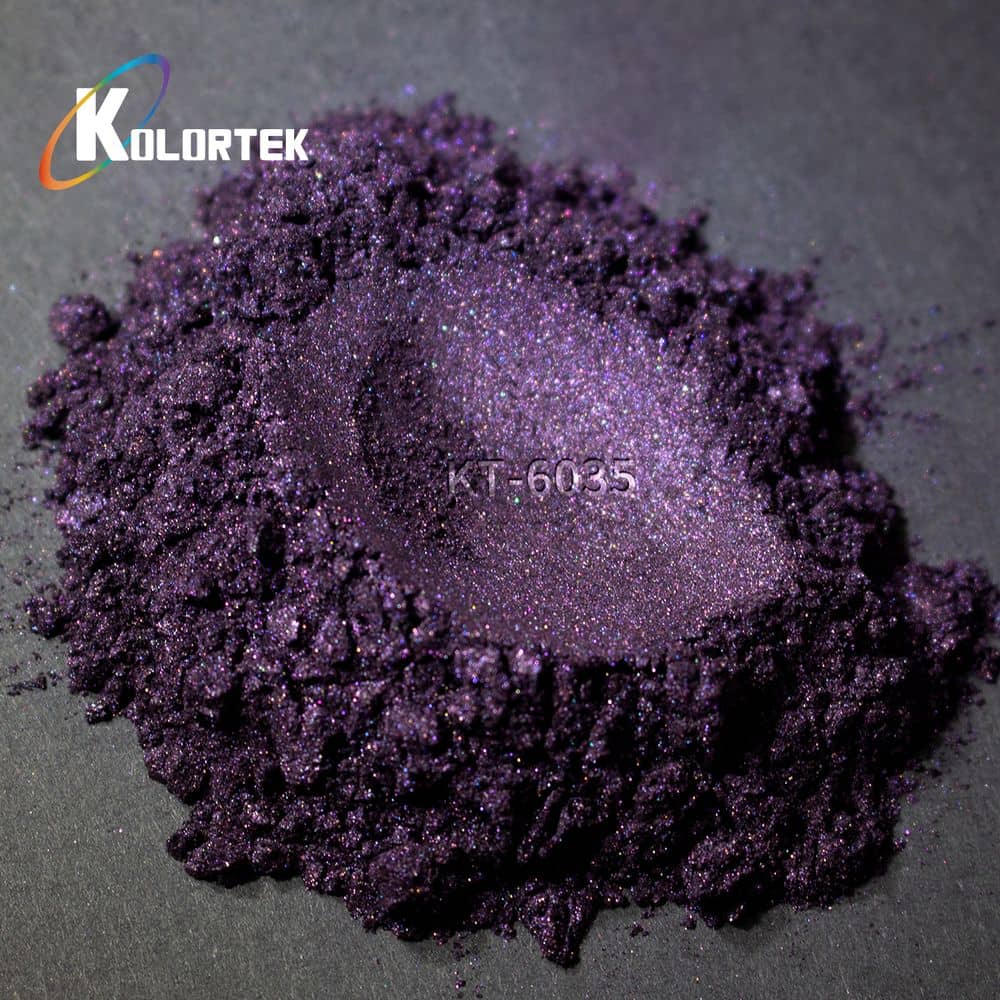
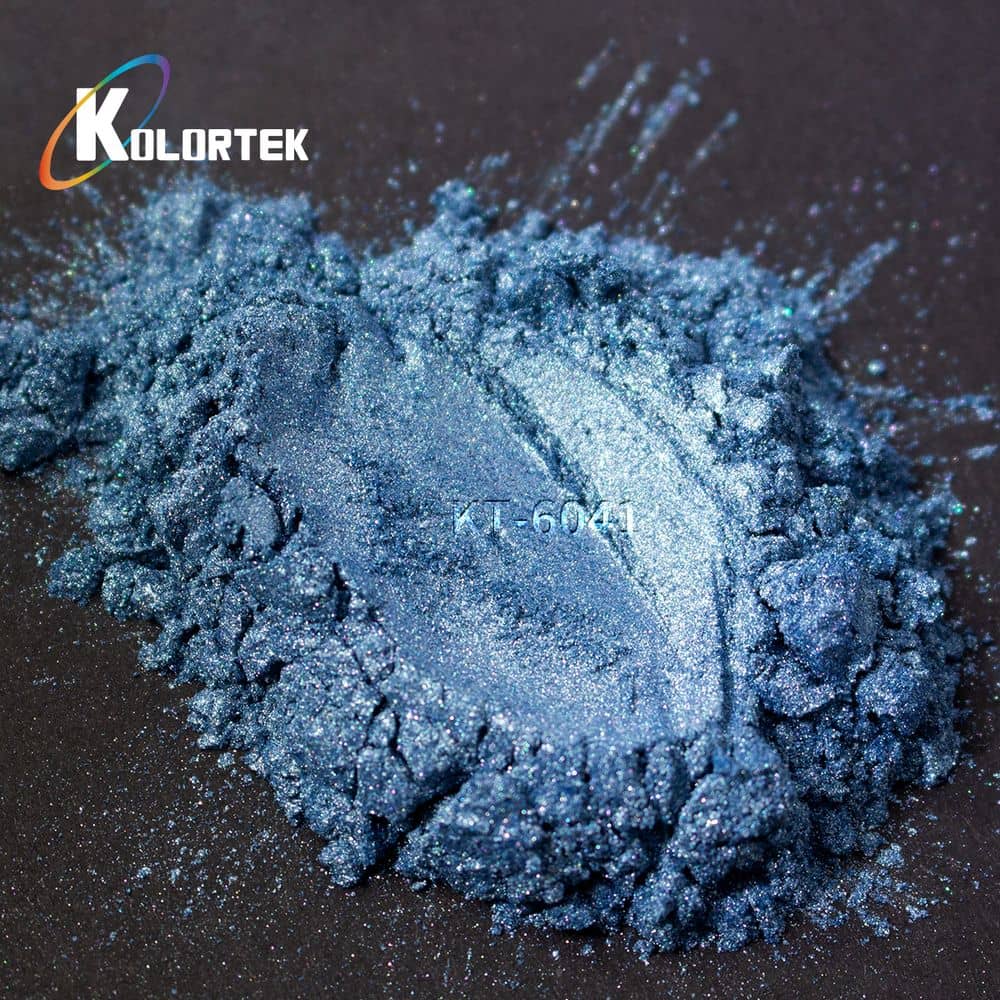
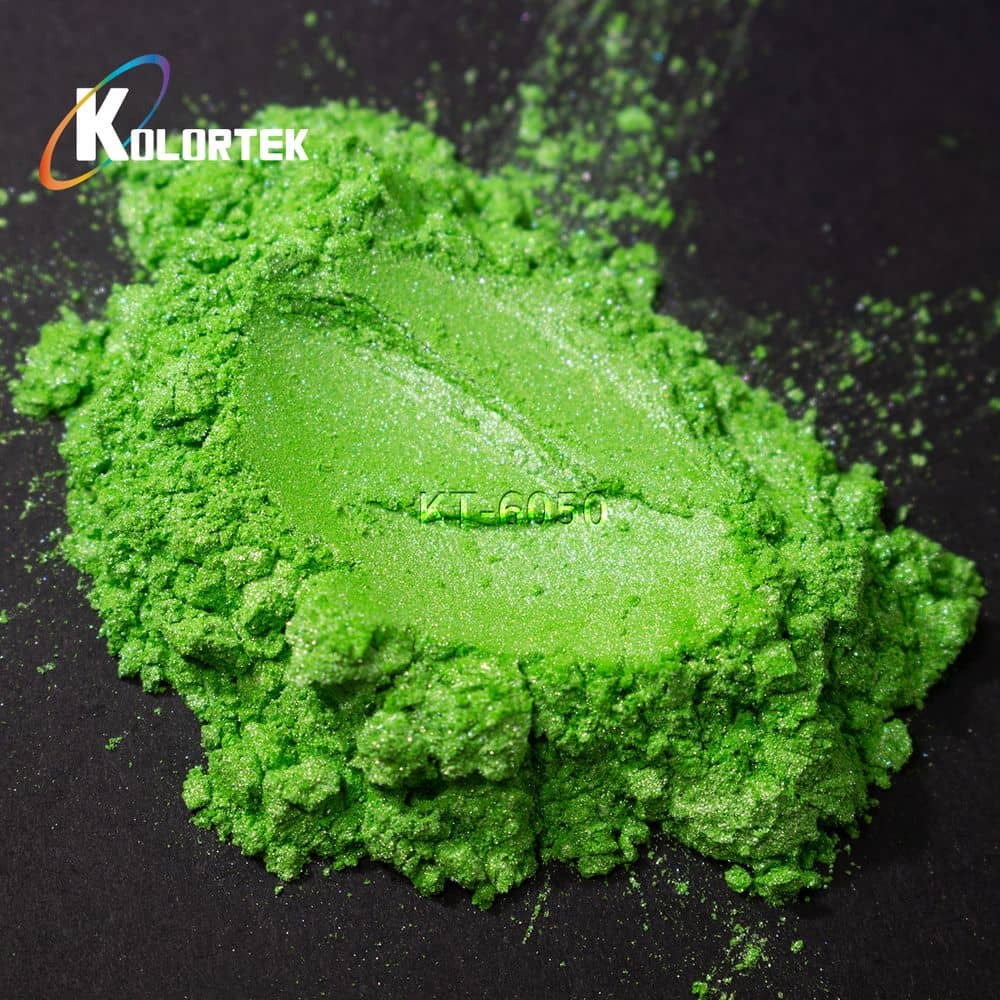
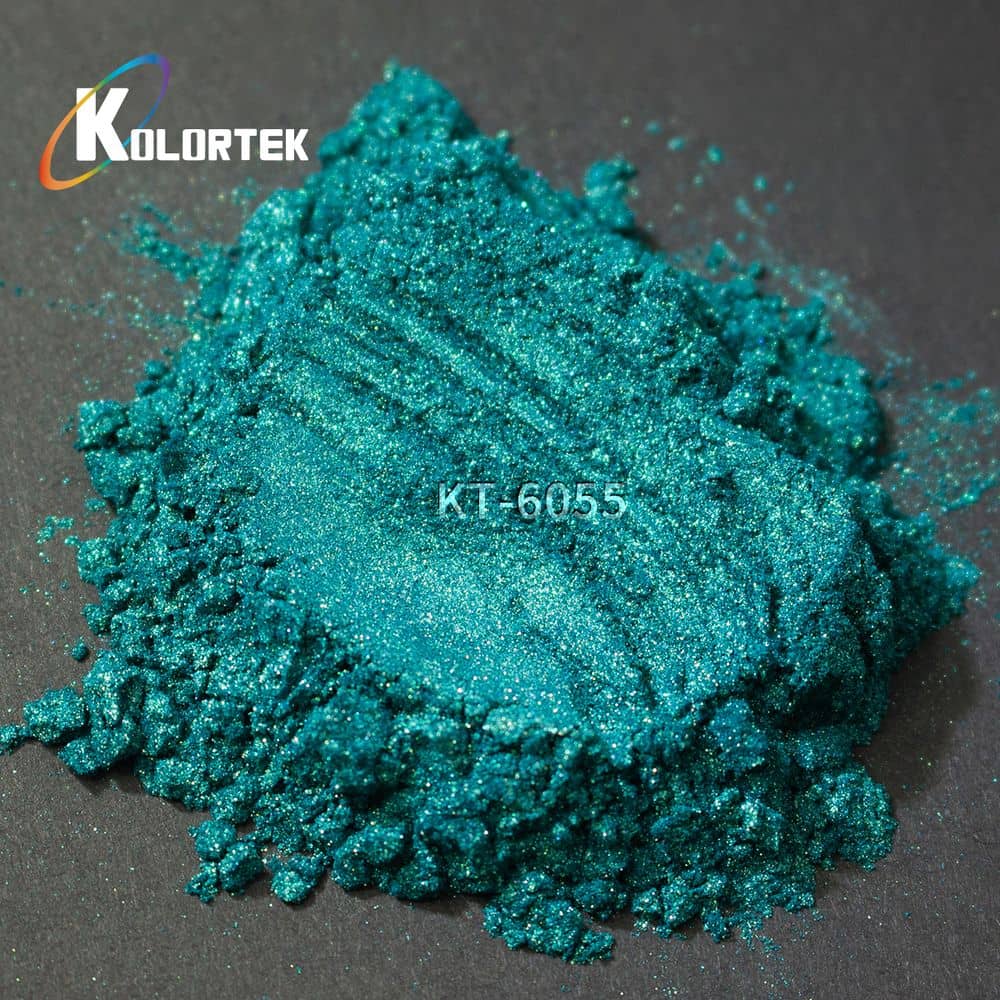
La gama multicolor de polvo de mica de Kolortek abarca sustratos de mica natural y sintética, con variantes específicas para uso cosmético y opciones de grado industrial en múltiples series.
Número de artículo :
KT-600 (Natural Mica) / KT-7000 (Synthetic Fluorphlogopite)Efecto de color :
Red, Orange, Yellow, Green, Blue, Violet, etc.Tamaño de partícula :
5-25μm, 10-60μm, 10-100μm, 30-150μm, etc.Marca :
Kolortek / OEMCantidad mínima de pedido :
25 KGEn esta industria, los pigmentos nacarados sobre sustrato de mica son bien conocidos. Lo que distingue a una serie multicolor es la presencia de materiales que absorben la luz —generalmente pigmentos de color superpuestos a recubrimientos de dióxido de titanio o dióxido de estaño— que no solo producen brillo, sino también un color visible, saturado y profundo. El resultado es un pigmento que refleja un brillo nacarado a la vez que ofrece un tono definido: rojo, dorado, azul, verde, violeta y muchos más.
La gama multicolor de polvo de mica de Kolortek abarca sustratos de mica natural y sintética, con variantes específicas para cosmética y opciones de grado industrial en diversas series. Si necesita cubrir diferentes necesidades de uso final (cosmética, recubrimientos, impresión o artesanía especializada), la distinción entre estos sustratos y series es importante tanto desde el punto de vista del rendimiento como del cumplimiento normativo.
La gama de productos nacarados multicolor de Kolortek se organiza en varias series. Cada una tiene un sustrato, un rango de tamaño de partícula, una paleta de colores y un objetivo de aplicación distintos. Así es como se desglosan:
| Serie | Sustrato | Aplicación principal | Modelos típicos |
|---|---|---|---|
| Serie Multicolor de Mica Natural 660000 | Mica natural (base KT-600) | Recubrimientos industriales, artesanía, epoxi, impresión | Serie KT-6113, KT-6212, KT-6311, KT-6411, KT-6511, KT-6711, KT-6811, KT-6911, KT-6011, serie KT-66 |
| Serie multicolor SynStar 706000 | Mica sintética (fluorflogopita) | Cosméticos de alta gama, recubrimientos, plásticos | KT-7421, KT-7415, KT-7424, KT-7419, KT-7435, KT-7405, KT-7482–7485, KT-7059, KT-7089, KT-7099, KT-7659, KT-7669, KT-7689 |
| Perla Cosmética Multicolor (68800 / 699000 / 655000 / 6992000) | Mica natural y sintética, de grado cosmético. | Cosméticos decorativos, cuidado personal | Serie KT-68824B, KT-68835, KT-68845, KT-699131, KT-699141, KT-6992011, KT-6992041, KT-655111, KT-655121, KT-6552201, serie KT-68860 |
| Serie de dos tonos KT-67000 | Mica natural | Recubrimientos, aplicaciones decorativas | KT-67204, KT-67304, KT-67505, KT-67225, KT-67325, KT-67600A, KT-67619, KT-67635R |
Dentro de cada serie, los números de modelo codifican información útil sobre la familia de colores y el rango de tamaño de partícula. Si está comparando opciones, conviene comprender esta estructura antes de solicitar muestras.
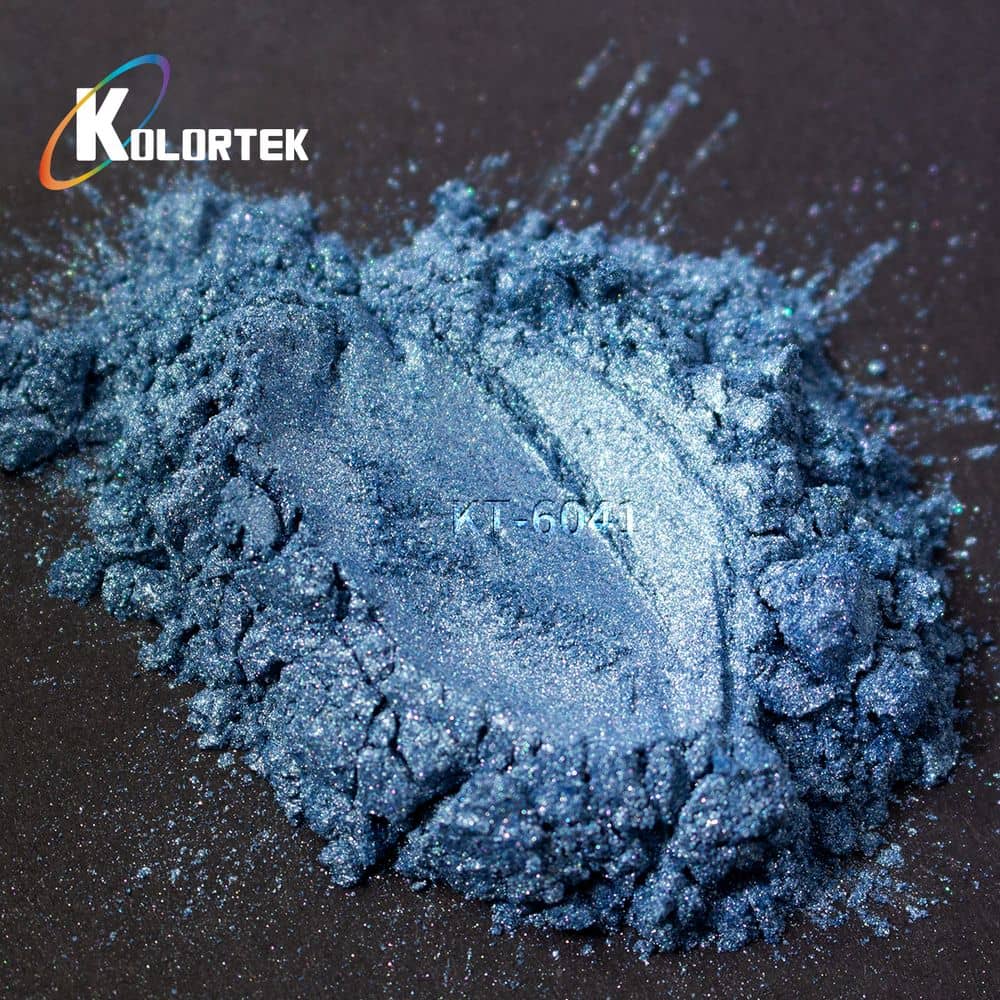
Ambos sustratos producen polvo de mica coloreado eficaz, pero se comportan de manera diferente en su formulación y presentan perfiles regulatorios distintos.
Mica naturalLa moscovita es el material estándar para la mayoría de las aplicaciones industriales y muchas cosméticas. Es rentable, está disponible en una amplia gama de tamaños de partícula y ofrece un buen rendimiento en pinturas, sistemas epoxi y productos decorativos en general. La serie multicolor basada en KT-600 se incluye en esta categoría.
Mica sintéticaLa fluorflogopita ofrece mayor brillo y blancura a nivel del sustrato, mejor pureza química y ausencia de metales pesados, lo cual es cada vez más importante para el cumplimiento de las normativas cosméticas y las formulaciones de cosmética limpia. La serie SynStar y las variantes de mica sintética de la serie cosmética utilizan este sustrato. La desventaja es el costo, que es considerablemente mayor.
En aplicaciones cosméticas, la decisión suele depender de la normativa vigente y del posicionamiento del producto. Para recubrimientos industriales o aplicaciones artesanales, la mica natural generalmente ofrece un rendimiento suficiente a un precio más asequible.
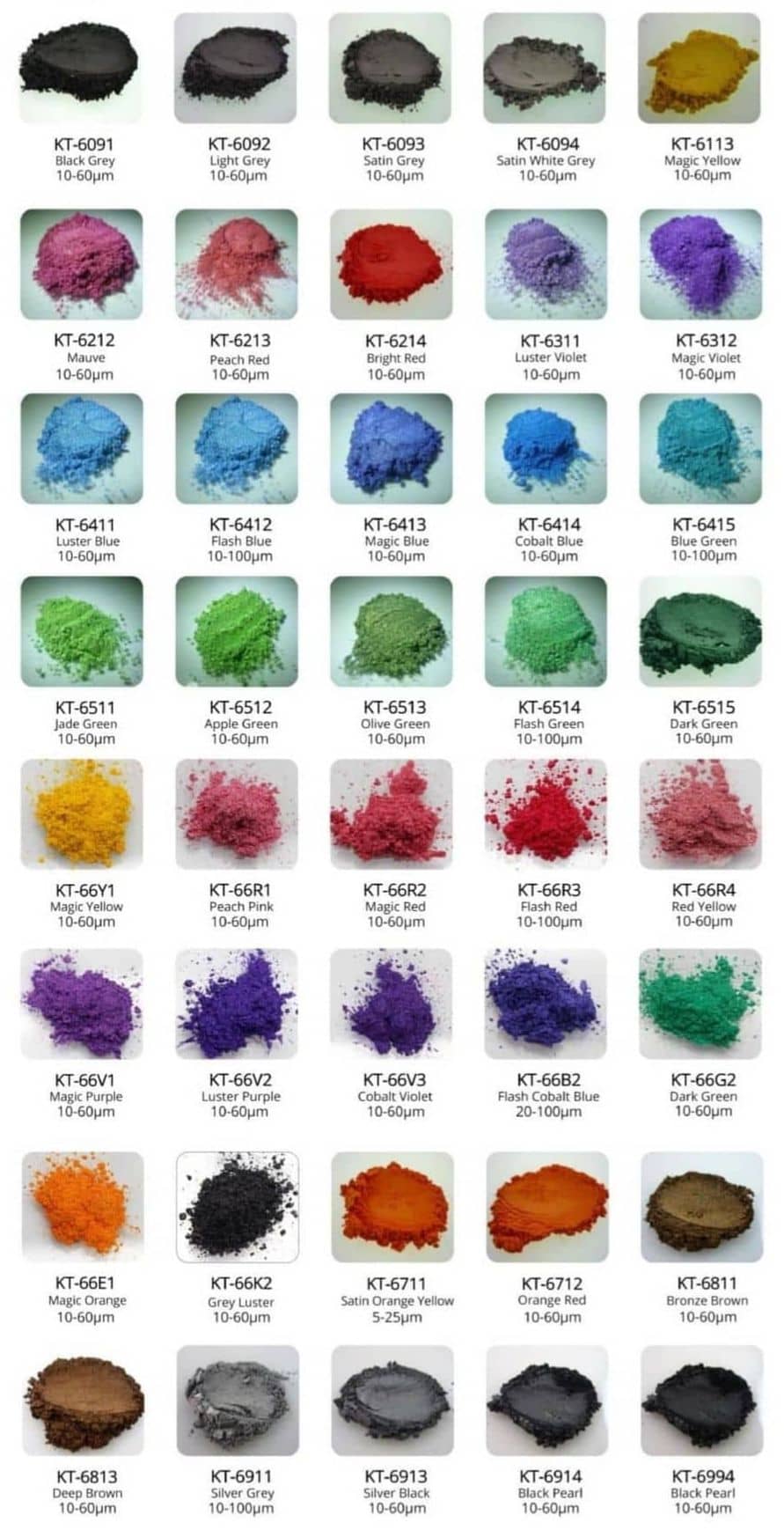
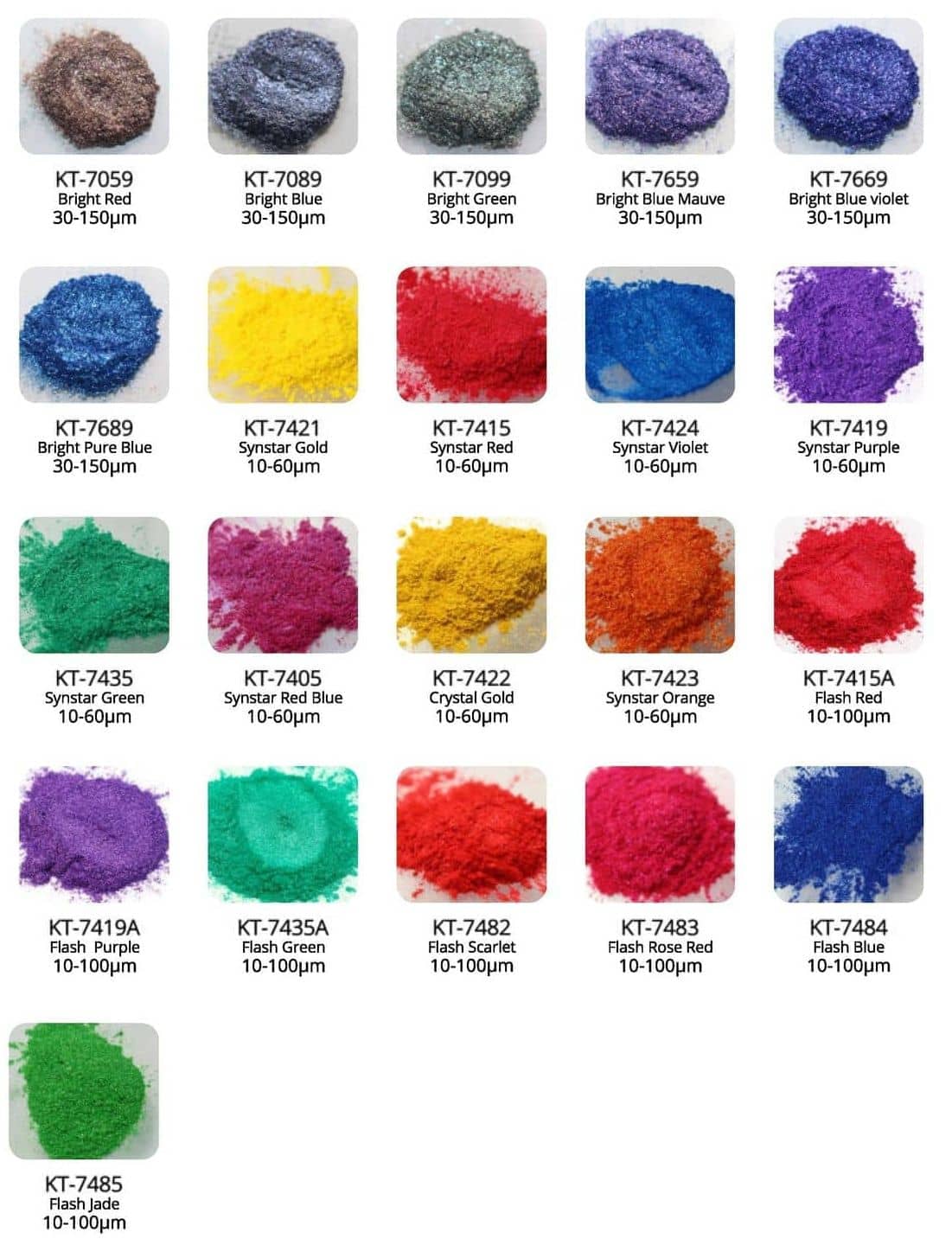
Cosméticos decorativos y productos de cuidado personal:Sombras de ojos, colorete, iluminador, productos para labios, brillo corporal y jabón. La gama multicolor de grado cosmético está desarrollada específicamente para este segmento, prestando especial atención a la compatibilidad con la piel, la textura y la intensidad de color esperada en las formulaciones decorativas modernas.
Productos para uñas:Los esmaltes en gel y los lacas de uñas se benefician de los tamaños de partícula finos a medianos de este rango. La dispersión en sistemas de disolventes polares suele ser sencilla, aunque el tratamiento superficial del pigmento influye en este proceso; consulte el grado específico.
Pinturas y revestimientos arquitectónicos:Los pigmentos de mica multicolor se utilizan habitualmente en revestimientos decorativos de paredes, tanto en sistemas a base de agua como de disolventes. La serie Two Tone añade un cambio de color que depende del ángulo de visión y que resulta ideal para paredes de acento y acabados especiales.
Suelos y encimeras de resina epoxi / mármol artificial:Aquí se prefieren las granulometrías más gruesas (normalmente de 40 a 200 µm) para lograr un brillo visible. Los pigmentos son químicamente estables en sistemas epoxi y mantienen su color en condiciones de curado típicas.
Impresión:Para la serigrafía o la impresión en huecograbado, se requieren partículas de tamaño fino (generalmente inferiores a 25 µm) para evitar obstrucciones y garantizar una aplicación uniforme. Los modelos específicos de grano fino de la serie KT-6000 son idóneos para este fin.
Manualidades y bricolaje:Fundición de resina, fabricación de velas, manualidades con papel. Su amplia gama de colores y facilidad de dispersión hacen de la serie multicolor de mica natural estándar una opción práctica para este sector.
El rendimiento de un pigmento de mica en polvo de esta categoría depende de una combinación de la calidad del sustrato, la uniformidad del recubrimiento y la naturaleza de los pigmentos de color utilizados. Algunos aspectos que conviene destacar para los formuladores:
En cosmética, el cumplimiento de las normas sobre ingredientes no es opcional. La serie multicolor de cosméticos de Kolortek se produce bajo controles de calidad que cumplen con los principales requisitos del mercado. La documentación, incluidas las certificaciones ISO, REACH, SGS, TÜV SÜD y Kosher, está disponible bajo petición; contáctenos.contact@kolortek.compara obtener certificados específicos relevantes para su mercado.
En la práctica, los compradores que se abastecen para los mercados de cosméticos de la UE o de cuidado personal de EE. UU. deben especificar el uso final en la etapa de consulta, para que se pueda confirmar el grado y la documentación correctos. No todos los grados de la gama multicolor más amplia cuentan con certificación cosmética; las series 68800, 699000, 6992000, 655000 y 68860 son las desarrolladas específicamente para ese segmento.
Algunos puntos prácticos que surgen con frecuencia:
Niveles de carga:Los niveles de uso típicos oscilan entre el 1 % y el 5 % en cosméticos y tintas, y entre el 5 % y el 15 % en recubrimientos y sistemas epoxi. Se pueden utilizar concentraciones más altas, pero el rendimiento disminuye y la dispersión se vuelve más crítica.
Tratamiento de superficie:Algunos tonos de la serie cosmética incorporan tratamientos superficiales (silicona, silano u otros) para mejorar la sensación en la piel o la dispersión en fases oleosas/acuosas. Si esto es relevante para su formulación, especifíquelo; es posible que existan versiones con y sin tratamiento para el mismo color.
Compatibilidad:Generalmente compatible con la mayoría de aglutinantes, resinas y bases cosméticas. No presenta interacciones significativas con absorbentes UV, espesantes ni conservantes comunes. Sin embargo, si está formulando en un sistema reactivo o con disolventes agresivos, realice pruebas de compatibilidad con el grado específico que utilice.
Combinación de colores:El aspecto visual de los colores de los pigmentos de mica depende en gran medida de la orientación. Las mediciones de color bajo un único ángulo de iluminación pueden resultar engañosas; la espectrofotometría multiángulo (por ejemplo, 45°/15°, 45°/45°, 45°/110°) ofrece una imagen más precisa de cómo se comportará el pigmento en una película o un compacto prensado terminado.
P: ¿Cuál es la diferencia práctica entre la serie multicolor de mica natural y la serie multicolor de mica sintética (SynStar)?
A: Los grados de mica natural ofrecen una gama más amplia de tamaños de partícula y un menor costo, lo que los convierte en la opción predeterminada para recubrimientos industriales, epoxi y muchas aplicaciones cosméticas. La mica sintética produce un sustrato más brillante y limpio con mayor pureza química, lo cual es relevante para cosméticos de alta gama, mercados que exigen un estricto cumplimiento normativo y aplicaciones donde la blancura del sustrato afecta la reproducción del color final.
P: ¿Se pueden utilizar estos pigmentos en sistemas a base de agua?
R: Sí. La mayoría de los grados de esta gama son compatibles con recubrimientos a base de agua, bases cosméticas acuosas y formulaciones de jabón en fase acuosa. Los agentes humectantes pueden mejorar la dispersión inicial en sistemas acuosos de alta viscosidad. Algunos grados con tratamientos superficiales hidrofóbicos pueden requerir un método de incorporación diferente; consulte la ficha técnica del producto.
P: ¿Cómo selecciono el tamaño de partícula para mi aplicación?
A: Como guía general, las granulometrías finas (5–25 µm) se utilizan para tintas de impresión, bases de maquillaje y polvos compactos; las medianas (10–60 µm) para sombras de ojos, productos labiales, cosméticos líquidos y recubrimientos estándar; y las gruesas (60–500 µm) para suelos epoxi, encimeras y manualidades con recubrimiento abierto donde se busca un brillo visible. Si tiene dudas, solicite una muestra de dos tamaños de partícula y evalúela en su matriz real.
P: ¿Existe documentación disponible para el cumplimiento de la normativa cosmética (REACH, datos de seguridad, INCI)?
R: Sí, para la serie de grado cosmético. La disponibilidad de la documentación varía según el grado y el mercado de destino. Comuníquese directamente con su modelo específico y mercado objetivo para confirmar la disponibilidad.contact@kolortek.com.
La gama nacarada multicolor abarca un amplio espectro de colores en diversos sustratos y tamaños de partícula. La forma más rápida de determinar el grado adecuado es compartir su aplicación, el tipo de sistema, su preferencia de tamaño de partícula y cualquier requisito de cumplimiento.
Las muestras, las hojas de datos técnicas (TDS), las hojas de datos de seguridad (SDS) y la documentación de cumplimiento están disponibles bajo petición. Póngase en contacto con el equipo técnico encontact@kolortek.compara empezar.
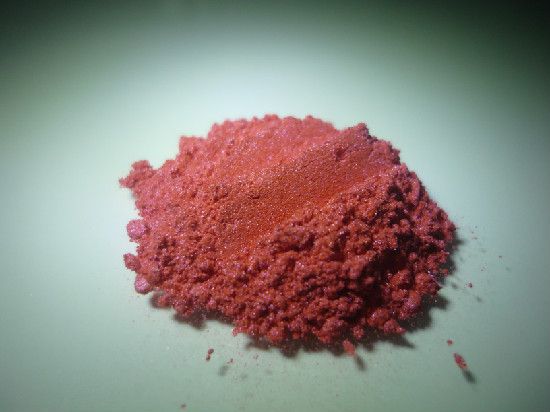
KT-6025 es unPigmento nacarado de mica natural de color rojo verdadero en el Rango de tamaño de partícula de 10 a 60 μm — una mica de color de la serie multicolor KT-6000, producida mediante la deposición de una capa de colorante rojo que absorbe la luz sobre un sustrato de mica recubierto de TiO₂. El resultado es un efecto visual dual: Reflejo blanco plateado en el ángulo de visión especular y un color rojo de absorción saturado en ángulos laterales y difusos. A 10–60 μm, KT-6025 es adecuado para recubrimientos, esmaltes de uñas, aplicaciones decorativas, jabones y sistemas epoxi donde se requiere un efecto nacarado rojo limpio y de alta saturación en una variedad de sustratos.
LEER MÁS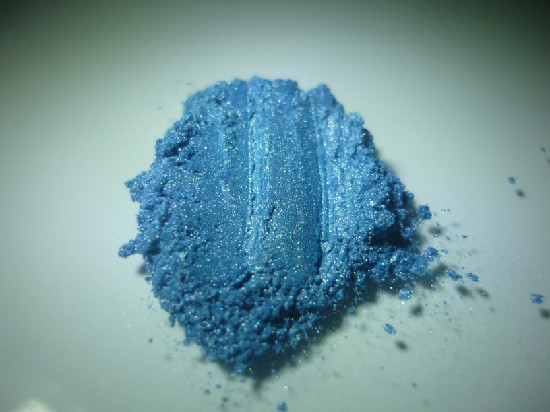
KT-6040 es unPigmento nacarado de mica natural azul océano— un grado de mica coloreada de la serie multicolor KT-6000 que produce un rico color de absorción azul océano en ángulos de visión laterales y difusos, con unreflejo especular blanco plateadoen el ángulo de reflexión directa. En el estándarTamaño de partícula de 10 a 60 μmOfrece un brillo azul perlado equilibrado para recubrimientos, esmaltes de uñas, jabones, sistemas epoxi y aplicaciones decorativas. Está disponible en varios tamaños de partícula, desde 5–25 μm para tintas de impresión y cosméticos finos hasta 30–150 μm para un brillo intenso en resinas epoxi y artesanales, lo que hace que Ocean Blue sea adaptable a una amplia gama de métodos de aplicación y objetivos visuales.
LEER MÁS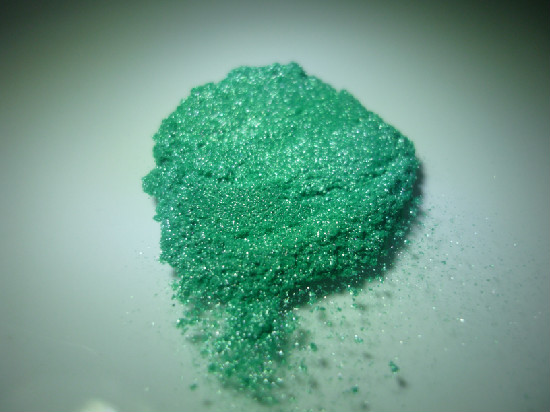
KT-6057 es unpigmento nacarado de mica natural Flash Greenen elRango de tamaño de partícula de 10 a 100 μm— El grado verde de formato más grueso de la serie multicolor KT-6000, optimizado para aplicaciones donde se requiere un brillo verde visible de plaquetas individuales junto con la reflexión especular plateada característica de la serie. La distribución de 10 a 100 μm abarca tanto la fracción fina (que contribuye a la cobertura del fondo de perla verde) como la fracción gruesa (que contribuye a los puntos de destello individuales visibles), produciendo una superficie de perla verde con un brillo pronunciado que el grado estándar de 10 a 60 μm no logra con una carga equivalente. Los principales contextos de aplicación son los pisos epóxicos, los recubrimientos decorativos, el esmalte de uñas y la resina para manualidades.
LEER MÁS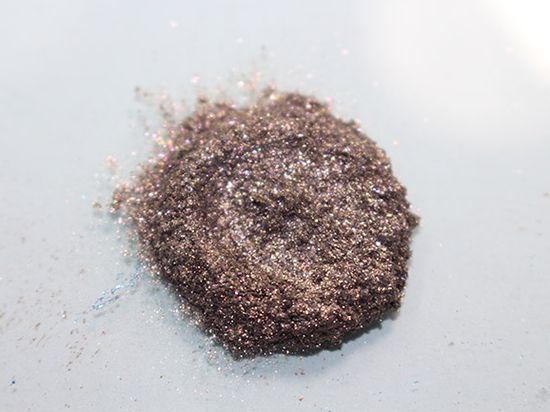
KT-7059 es unpigmento nacarado de mica sintética de color rojo brillanteen el gruesoRango de tamaño de partícula de 30 a 150 μm— Una mica coloreada a base de fluorflogopita de la serie KT-7000 que ofrece un intenso efecto de brillo rojo con un reflejo especular blanco plateado. Su distribución de 30 a 150 μm la sitúa firmemente en el extremo brillante del espectro: los reflejos de las plaquetas individuales son claramente visibles a distancias de visión normales, lo que la hace ideal para pisos epóxicos, arte con resina, manualidades, esmaltes de uñas y recubrimientos decorativos donde el máximo impacto de brillo rojo es el objetivo del diseño. El sustrato sintético de fluorflogopita ofrece mayor pureza y menos inclusiones minerales oscuras que su equivalente de mica natural.
LEER MÁS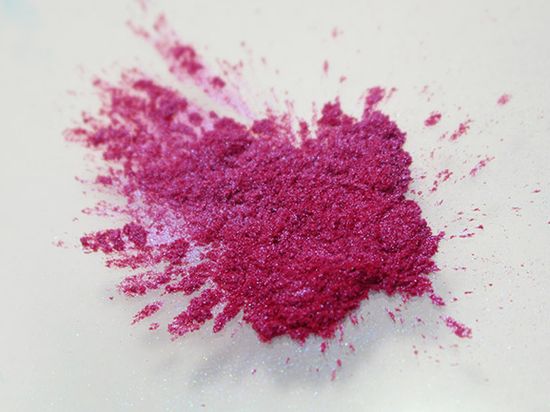
KT-7405 Synstar Rojo Azul es unpigmento nacarado de mica fluorflogopita sintéticaen elRango de tamaño de partícula de 10 a 60 μmque produce un color de absorción dual rojo-azul junto con una reflexión especular blanco plateada, un grado de complejidad cromática que se encuentra fuera del rango estándar de un solo tono de la serie multicolor KT-7000.
LEER MÁS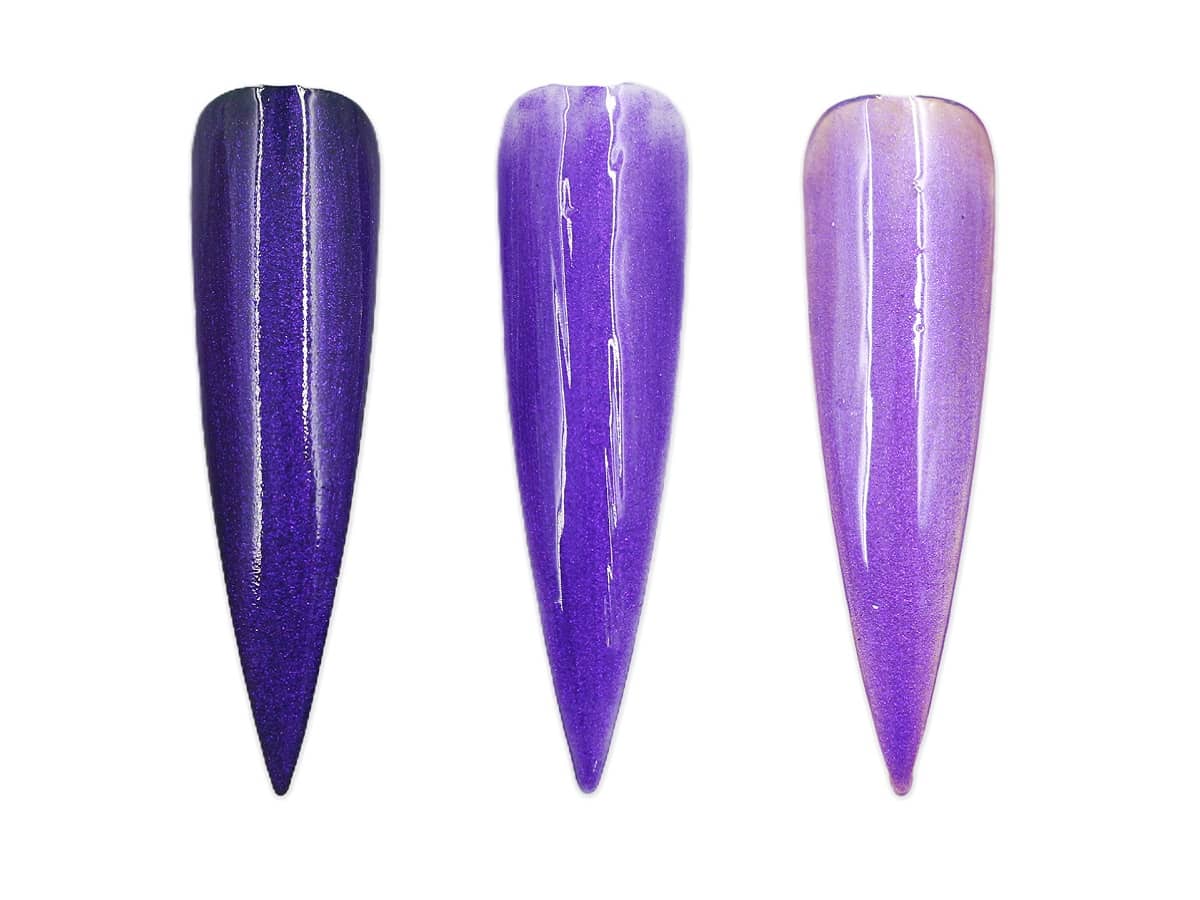
KT-7419A es unpigmento nacarado de mica fluorflogopita sintética Flash Purpleen elRango de tamaño de partícula de 10 a 100 μm— la variante de grado flash más gruesa de KT-7419 Synstar Purple, diseñada para aplicaciones donde se requiere un brillo púrpura visible de plaquetas individuales junto con una cobertura de perla de fondo.
LEER MÁS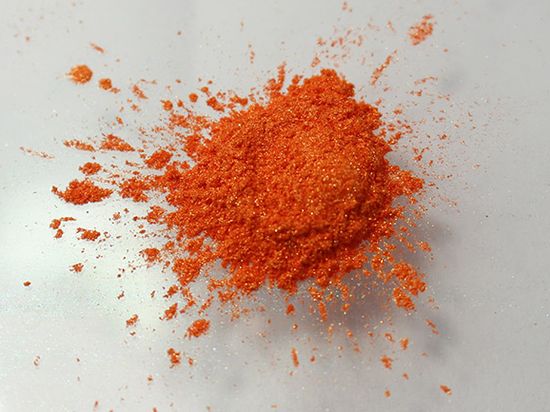
KT-7423 Synstar Naranja es unpigmento nacarado de mica fluorflogopita sintéticaen el estándarRango de tamaño de partícula de 10 a 60 μmque proporciona un color de absorción naranja cálido en ángulos de visión laterales y difusos junto con un reflejo especular blanco plateado en el ángulo directo.
LEER MÁS
La gama multicolor de polvo de mica de Kolortek abarca sustratos de mica natural y sintética, con variantes específicas para uso cosmético y opciones de grado industrial en múltiples series.
LEER MÁS
 Español
 English
 Français
 Deutsch
 Русский
 Português