Dejar un mensaje
Si le interesan nuestros productos y desea obtener más información, deje un mensaje aquí y le responderemos lo antes posible.

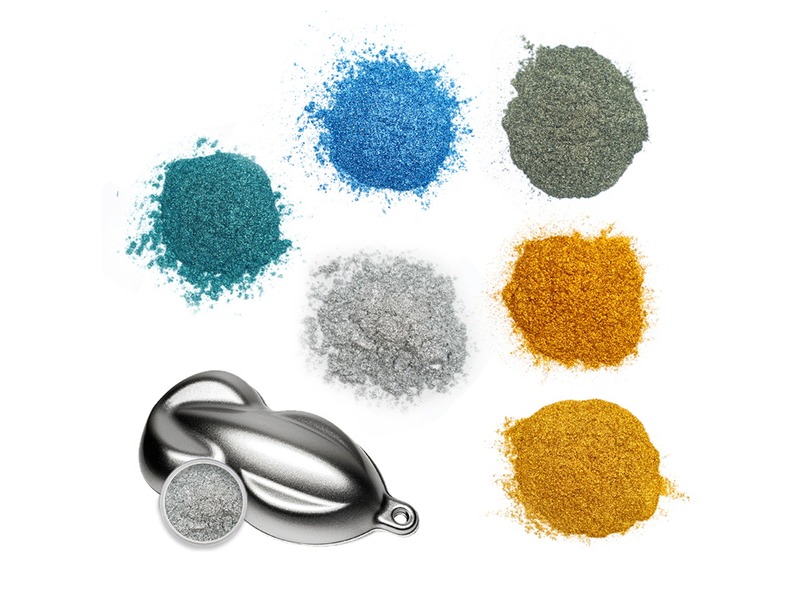
Dry powder listed for face and eye-area use, plus mirror silver paste in solvent, water and holographic grades. Confirm market and shipping class first.
Número de artículo :
Aluminum Pigment Powders; Aluminum Silver PasteEfecto de color :
Fine Silver, Metallic Silver, Shine Silver, Glitter Metallic Silver, Olive Green, Dragon Gold, Shine Flame Red, plus mirror silver and holographic pastesTamaño de partícula :
Powder 15–145 μm; paste 8–35 μmComposición :
Aluminum flake; paste grades are the same flake pre-dispersed in a solvent or a passivated water carrierMarca :
Kolortek / OEMCantidad mínima de pedido :
Confirmed per form and destination portSolicitud :
Coatings, printing inks, nail systems, plastics and decorative finishesAluminum pigment leaves us in one of two containers, and the container decides more than the colour does. Dry powder is listed for face and eye-area use and ships as general goods. Silver paste is a liquid, classified as dangerous goods. Settle those two points against your market and your forwarder before you compare shades.
Before you compare shades
Powder: face and eye-area listing, general goods.
Paste: dangerous goods, released only after the documentation check.
Waterborne paste: passivated, and not a drop-in for the solvent grade.
The same metal is supplied in two forms. What differs is what the flake is packed in, and that affects how each form is handled and shipped.
| Property | Dry powder | Silver paste |
|---|---|---|
| Physical form | Dry powder | Flake held in a liquid carrier |
| Listed for | Face and eye-area use | Nail use at the fine end; industrial coatings and printing |
| Particle size | 15–145 μm | 8–35 μm |
| Transport | General goods | Dangerous goods; sample and shipment release confirmed with our documentation team first |
| Shear | Dry blending and low-shear dispersion | Low shear; holographic flake can lose its pattern under excessive shear |
The powder range covers 15–45, 35–55, 35–75, 55–75 and 55–145 μm. Paste sizes are 8, 10, 12, 20 and 35 μm. These ranges describe the available particle sizes; which one suits a job depends on its application and finish.
Two buyers asking for the same colour may therefore need different checks before shipment. The form determines whether the dangerous-goods confirmation applies.
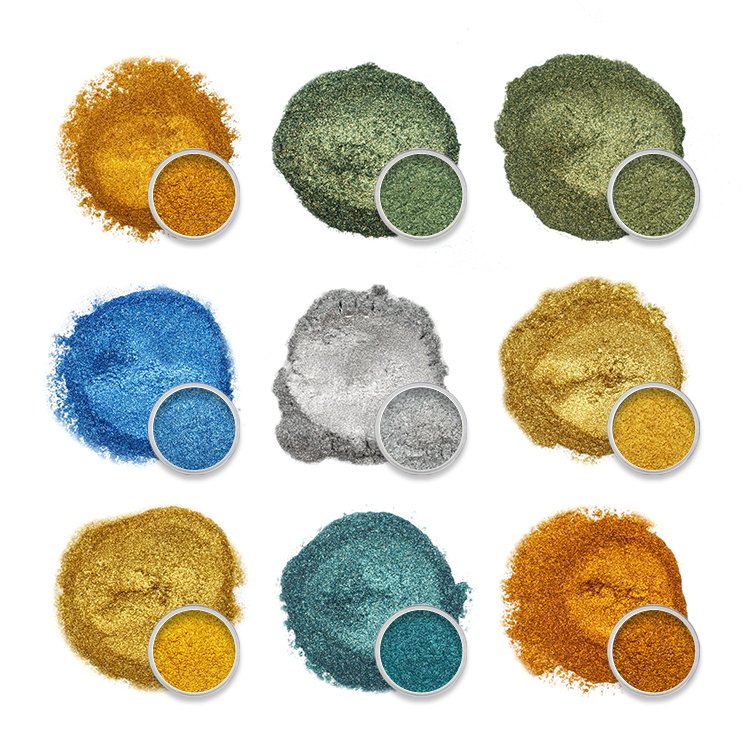
Fig. 1 — Powder range with the sampling jars it is despatched in.
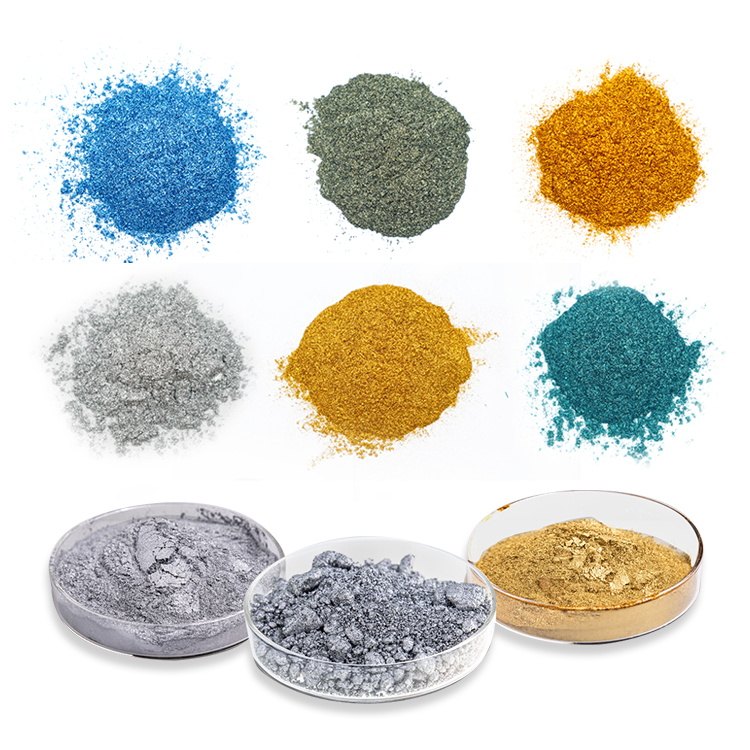
Fig. 2 — The same metal twice: dry powder, and the paste it becomes once wet out.
Colour is the third question. Two come first, and a no to either one ends the discussion before shading is reached.
The first is market access: can this form be listed in the market you sell into? The powder range is listed for face and eye-area use. The finest paste grades are listed for nail use, and the paste also serves industrial coatings and printing. If your product touches skin near the eyes, that distinction helps determine which form to consider.
The second is logistics: can this form reach your factory? The paste is classified as dangerous goods, and sample and shipment release are confirmed with our documentation team first. This is the point buyers most often meet after a price has been agreed: the forwarder still needs to be considered. Ask early, with a destination port in mind, so the shipping route can be checked.
Both questions have the same shape. They are yes or no, they are settled before colour, and a no on either means the rest of this page belongs to someone else's process.
If the paste is headed for an industrial coating rather than a nail or print job, the wider context is our pigments for paints and coatings range.
And if the finish you actually want is a pearlescent metallic look rather than true metal flake, this is the fork: metal luster series.
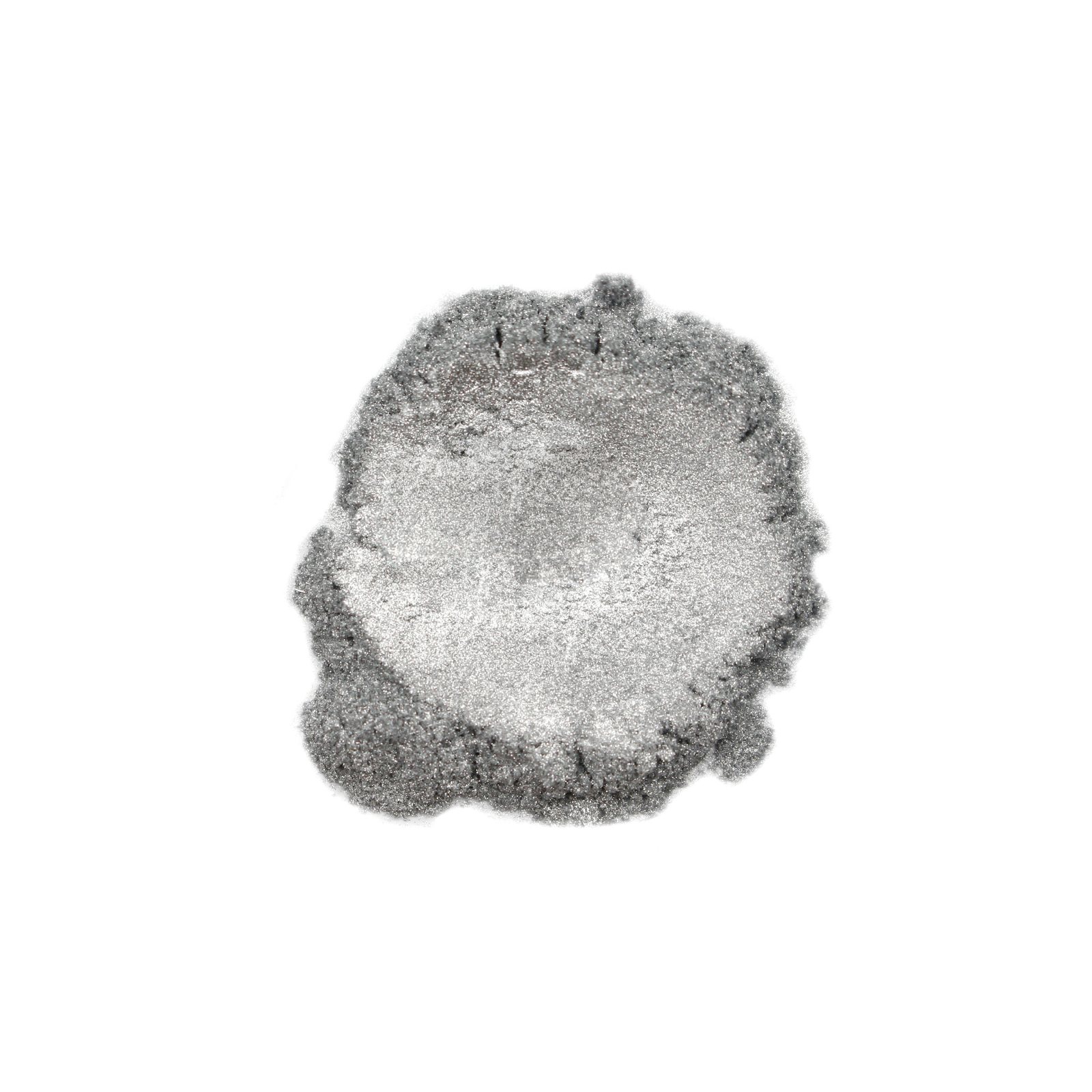
Fig. 3 — The silver face of the dry powder, close in.
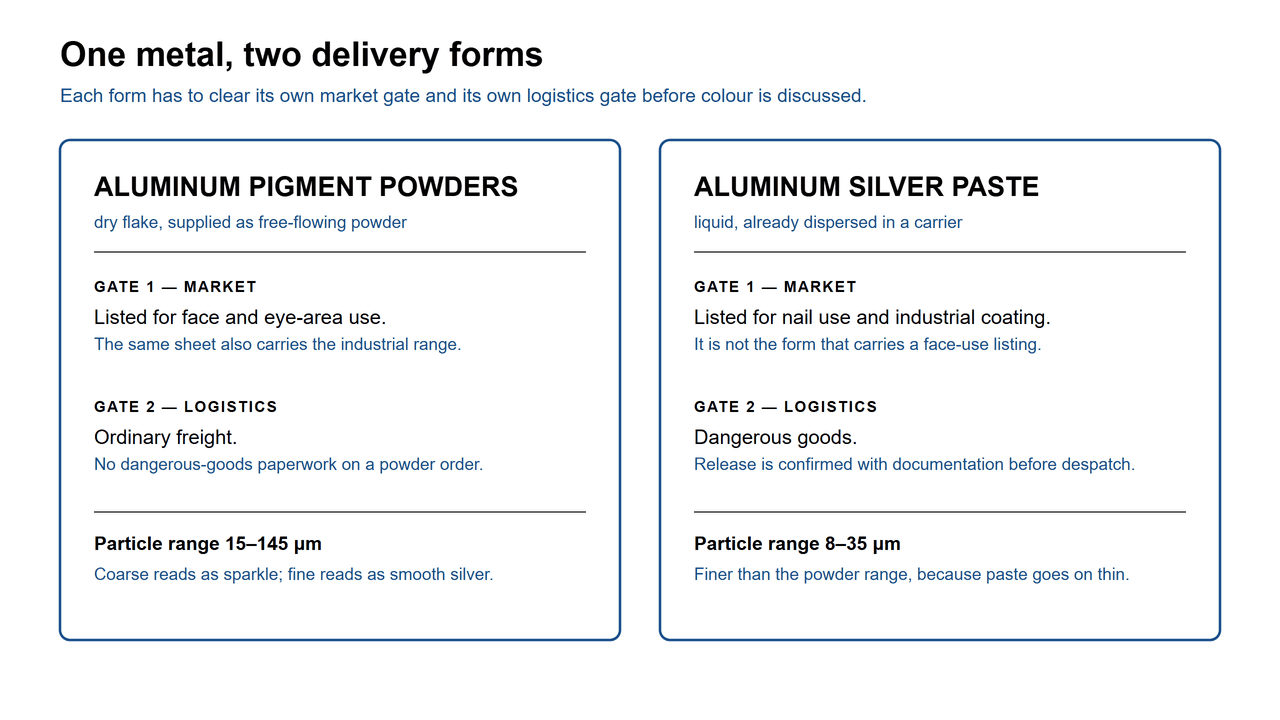
Fig. 4 — Where powder and paste diverge on market listing and transport class.
The paste is not one product in several colours. It splits by what carries the flake, and the carrier helps determine which application it belongs in.
| Paste | Carrier and effect | Where it belongs |
|---|---|---|
| Nail, fine particle | Finest cut, mirror face | Nail systems |
| Solvent type | Solvent carrier, standard mirror | Coatings and printing that already run solvent |
| Waterborne | Water carrier, passivated surface | Systems that must be water-based |
| Holographic, solvent | Embossed diffraction pattern, solvent carrier | Accent effects in solvent systems |
| Holographic, waterborne | Embossed pattern, passivated, water carrier | Accent effects in water-based systems |
Waterborne is not the solvent grade with the solvent swapped out. Aluminum reacts with water and gives off hydrogen, so untreated flake will do exactly that in a water-based binder. The waterborne grades are passivated at the surface to limit it. Treat the waterborne paste as a different material, not a substitution.
The holographic grades work by a different mechanism again. The diffraction pattern is embossed onto the flake rather than carried as a dye, so shear is not only a dispersion question for them — it is an appearance question.
Choosing between them is therefore a question about your system rather than about the effect. The binder, the film weight and the substrate all narrow the carrier before colour is reached, which is why a colour name on its own rarely identifies the right paste.
The fine-particle paste is listed for nail work — pigments for nail art.
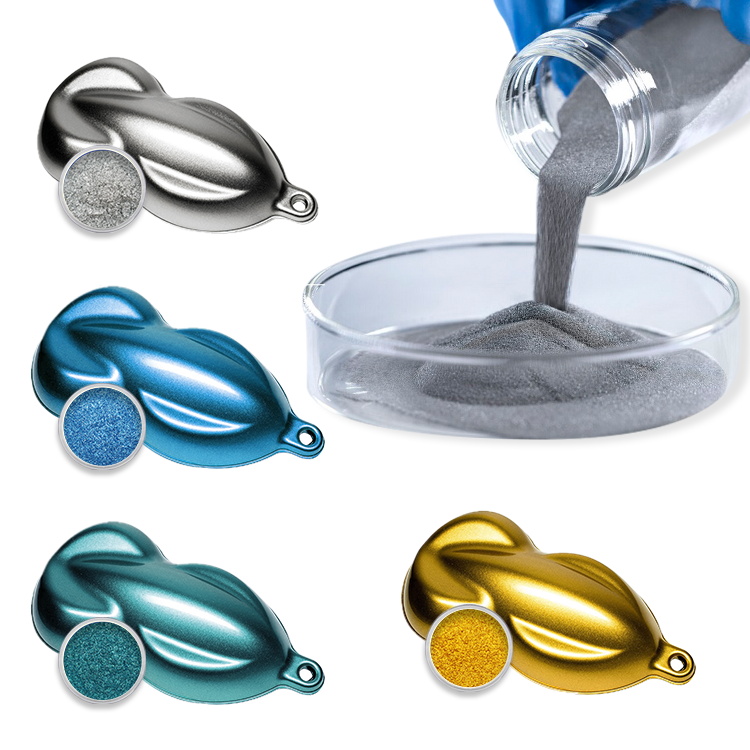
Fig. 5 — Paste poured over test parts: the form you can meter into a batch.
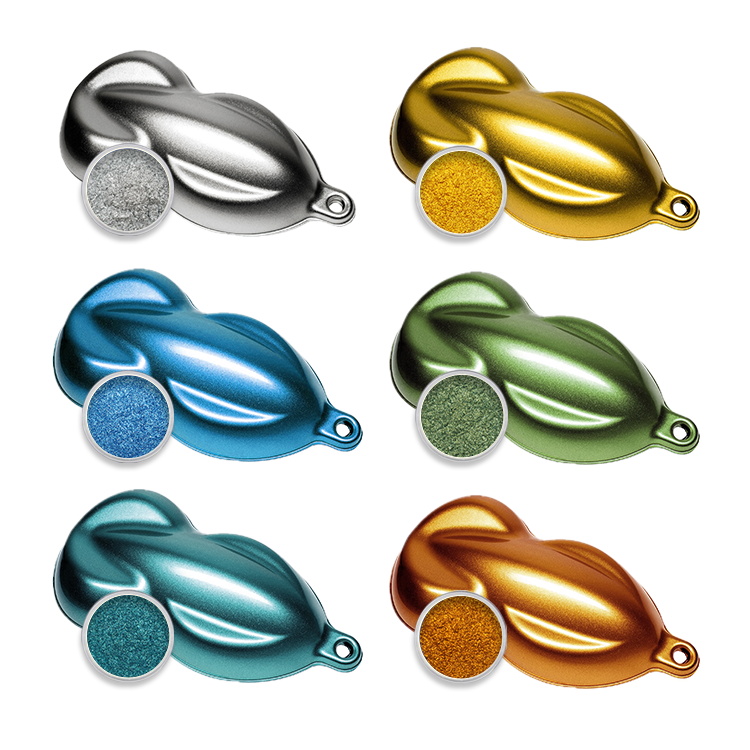
Fig. 6 — Mirror silver and gold reading on curved parts.
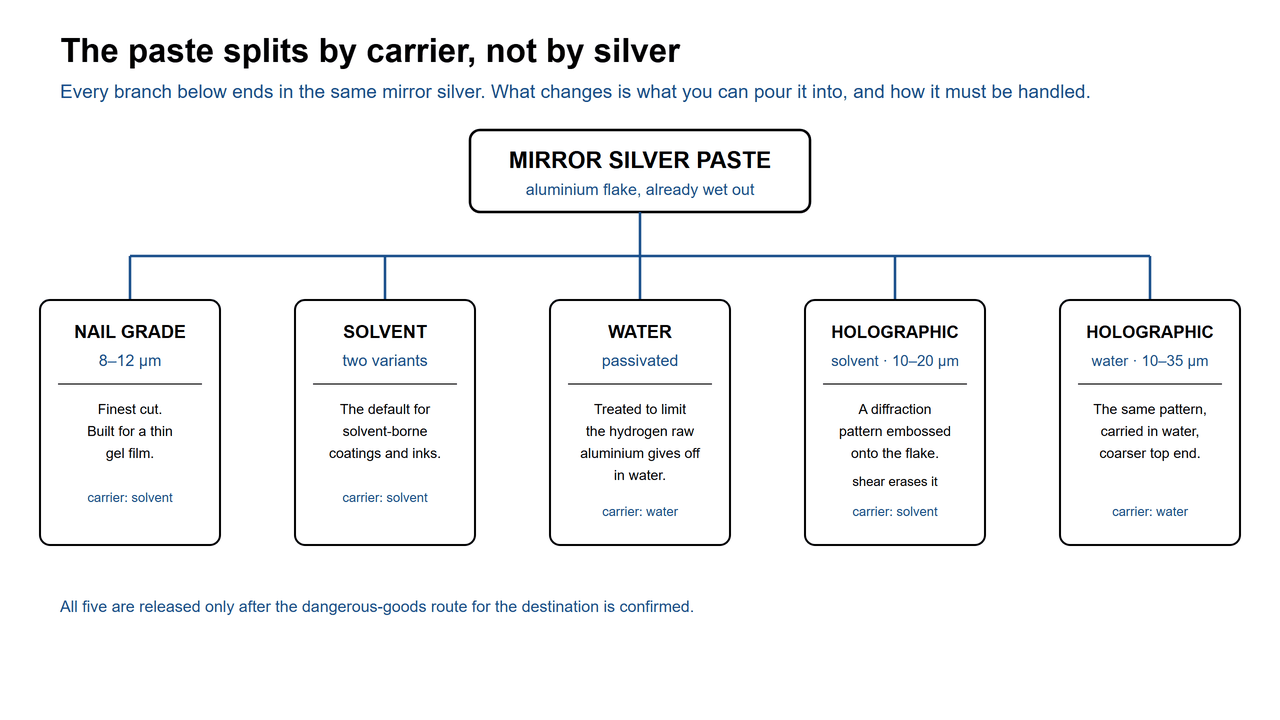
Fig. 7 — The paste split by carrier, and what each carrier rules in or out.
Powder can be dry blended or dispersed at low shear. Keep the flakes intact during dispersion.
Paste goes in last, and is thinned first. Dilute it in a portion of the carrier before adding it to the main batch, then stir at low shear. Adding it last reduces its contact with water and with reactive components in the batch.
Apply thin coats in several passes rather than one heavy coat.
Holographic grades are shear-sensitive for the reason above. Low shear, added last, and no ball milling if you want the pattern back on the finished surface.
If you would rather buy a form you can disperse yourself, epoxy resin color powder is another option.
Load rate follows the application rather than a single house figure. Screen printing uses 20–50% pigment by weight, gravure 20–30%, and spray at 10% or below. The binder and film weight help determine where inside those ranges to start.
Run a loading series on your substrate to determine a suitable level for the process. Two systems using the same paste at the same percentage can still read differently, because the film weight and the substrate are doing half the work.
Print work and its load ranges sit with our pigments for printing range. Manufacturing is certified to ISO 9001:2015, and further documentation is provided on request.
The powder range, its size cuts and its applications are set out in the catalog: Aluminum Pigment Powders.
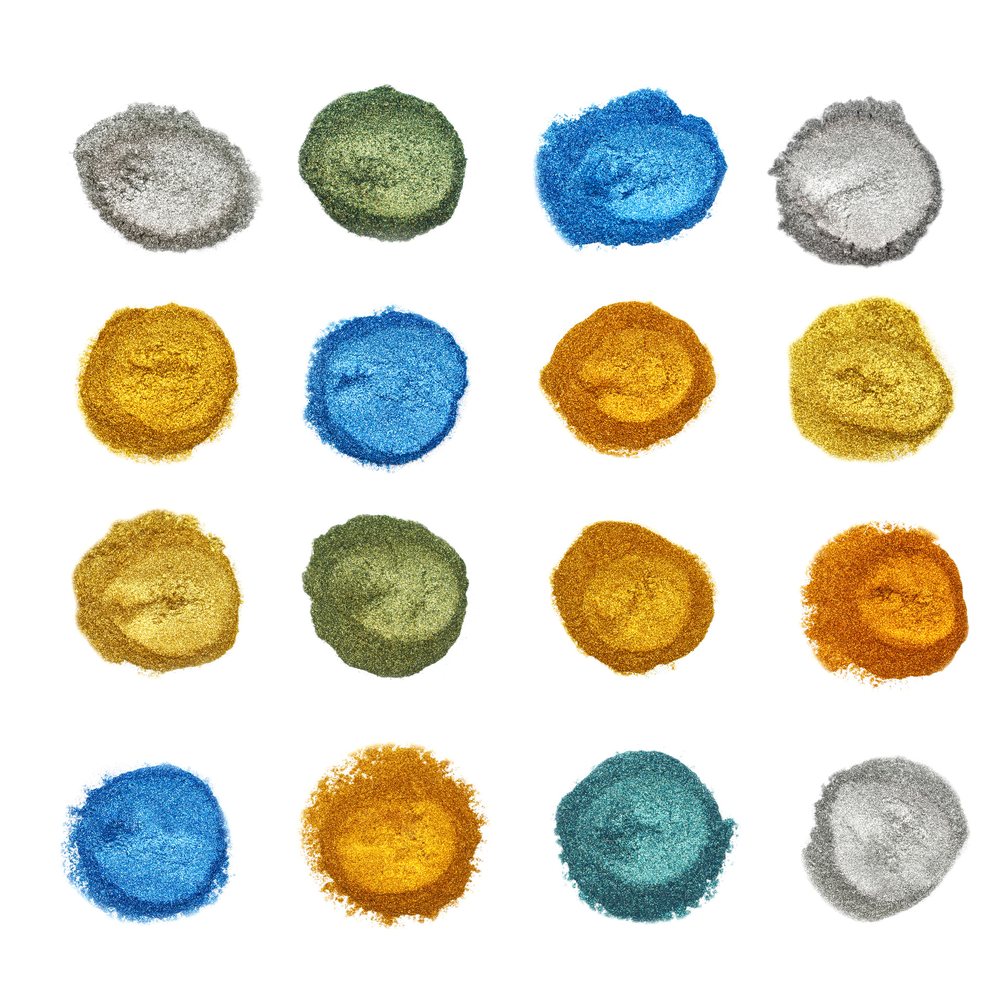
Fig. 8 — The powder colour range as it is presented for selection.
Can it go into a water-based system?
Only the waterborne paste grades. Untreated aluminum gives off hydrogen in water, and the waterborne grades are passivated to limit it. Powder into a water-based binder needs checking for compatibility.
Holographic or standard mirror silver?
Holographic carries a diffraction pattern embossed onto the flake; mirror silver is a plain reflecting face. The pattern can be damaged by excessive shear.
Can powder and paste be swapped?
No. They have different market listings, transport rules and mixing rules. Swapping one for the other changes your qualification, not only your handling.
Before a sample leaves us, we need the market you sell into, the form you are considering and how you apply it. If the form is paste, the destination port comes with it, because the sample is released only once the dangerous-goods route is confirmed.
Send those four points and we will confirm the grade and the shipping route together — tell us your market, your form, your application and your port, and we will answer with the paste or powder that fits it.
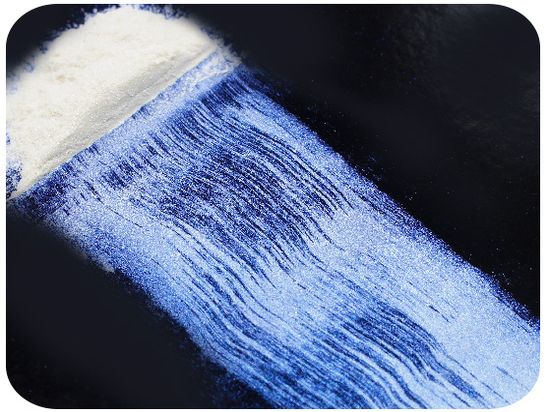
KT-T60-22-WR Rainbow Violet XiallicSparks es nuestro equivalente directo a Xirallic T60-22, un pigmento de efecto violeta de Al₂O₃ con sustrato de escamas de óxido de aluminio en lugar de mica. Con un índice de refracción de 1,76 y un tamaño de partícula de 6 a 30 μm, produce el brillo cristalino nítido y facetado que caracteriza los acabados de pintura base de alta gama para automóviles. Mientras que los pigmentos a base de mica ofrecen un brillo suave y difuso, este pigmento proporciona reflejos intensos y brillantes, con una croma y pureza de color excepcionales, en un efecto violeta arcoíris.
LEER MÁS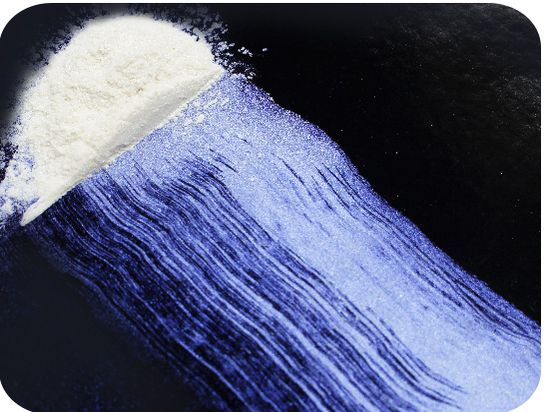
KT-T60-23-WR es nuestro material a base de alúmina.Galaxia azul de reemplazo xirállico Pigmento diseñado como una alternativa directa al Merck Xirallic T60-23. Fabricado sobre un sustrato de cristal de Al₂O₃ de alto índice de refracción (IR 1,76) con un rango de partículas de 6 a 30 μm, ofrece un brillo azul facetado y cristalino en los sistemas de pintura base para automóviles, con una profundidad y un brillo que los pigmentos a base de mica no pueden igualar estructuralmente.
LEER MÁS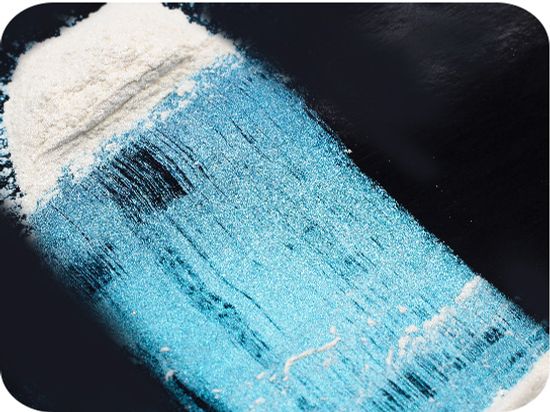
KT-T60-25-WR es un pigmento de efecto cristalino de alúmina (Al₂O₃) de nuestra serie XiallicSparks, que produce un brillo verde arcoíris intenso con el tipo de carácter facetado y de alto brillo que se observa en los acabados OEM de alta gama para automóviles. Con un rango de tamaño de partícula de 6 a 30 μm y un índice de refracción del sustrato de Al₂O₃ de 1,76 —significativamente superior al de la mica estándar—, este pigmento verde arcoíris de Al₂O₃ ofrece una croma y claridad excepcionales en sistemas de capa base/capa transparente, a precio de fábrica.
LEER MÁS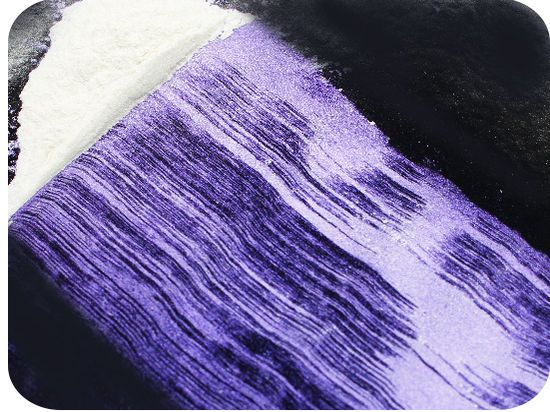
KT-T60-26-WR Rainbow Purple es un pigmento de efecto cristalino a base de alúmina de nuestra serie XiallicSparks, que produce un vívido brillo púrpura arcoíris en sistemas de pintura base-capa transparente para automóviles. Fabricado sobre un sustrato de escamas de Al₂O₃ (no mica), ofrece mayor croma, reflejos más nítidos y una mejor orientación de las escamas que los pigmentos perlados convencionales. Con un rango de tamaño de partícula de 6 a 30 μm y un D50 de 9 a 11 μm, está diseñado específicamente para aplicaciones de alta gama en la industria automotriz, tanto para fabricantes de equipos originales (OEM) como para repintado, donde se busca un brillo púrpura distintivo, similar al de un cristal.
LEER MÁS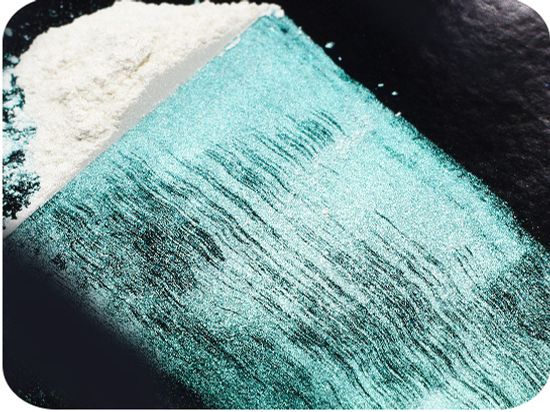
XiallicSparks es la línea de pigmentos con efecto de óxido de aluminio de Kolortek, disponible a granel. Diseñada como alternativa directa a Merck Xirallic® para fabricantes de equipos originales (OEM) del sector automotriz y aplicaciones de recubrimientos industriales de alta gama. Con una base de escamas de Al₂O₃ en lugar de mica, esta serie ofrece el brillo facetado y cristalino que caracteriza los acabados automotrices de alta gama, a precios directos de fábrica que suelen ser entre un 20 % y un 40 % inferiores a los de los productos equivalentes de Merck con un rendimiento comparable. Si está evaluando un proveedor mayorista alternativo de Xirallic, esta es la línea de productos que debe considerar.
LEER MÁS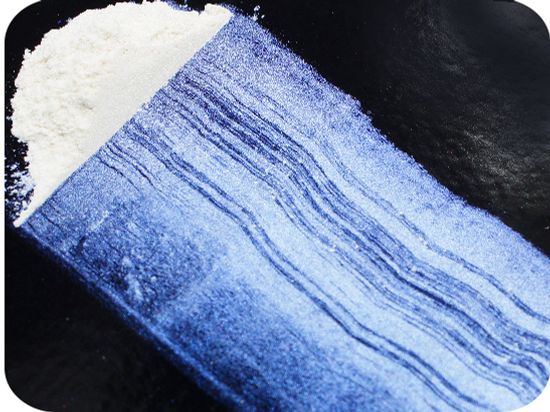
Si estás buscando unEquivalente de Xirallic, venta directa de fábrica Si necesita el mismo sustrato de cristal de óxido de aluminio que impulsa el característico brillo facetado de Merck Xirallic, la serie XiallicSparks de Kolortek (códigos de producto KT-T60 y KT-F60) ofrece ese efecto a un costo entre un 20 % y un 40 % menor que los equivalentes de marca. Con once grados que abarcan colores desde Plata Galaxia hasta Cobre Llama, tamaños de partícula de 6 a 30 μm y suministro directo de fábrica desde nuestra planta de fabricación en China, estas son alternativas diseñadas específicamente para formuladores de recubrimientos automotrices que buscan rendimiento sin el precio de Merck.
LEER MÁS
 Español
 English
 Français
 Deutsch
 Русский
 Português